
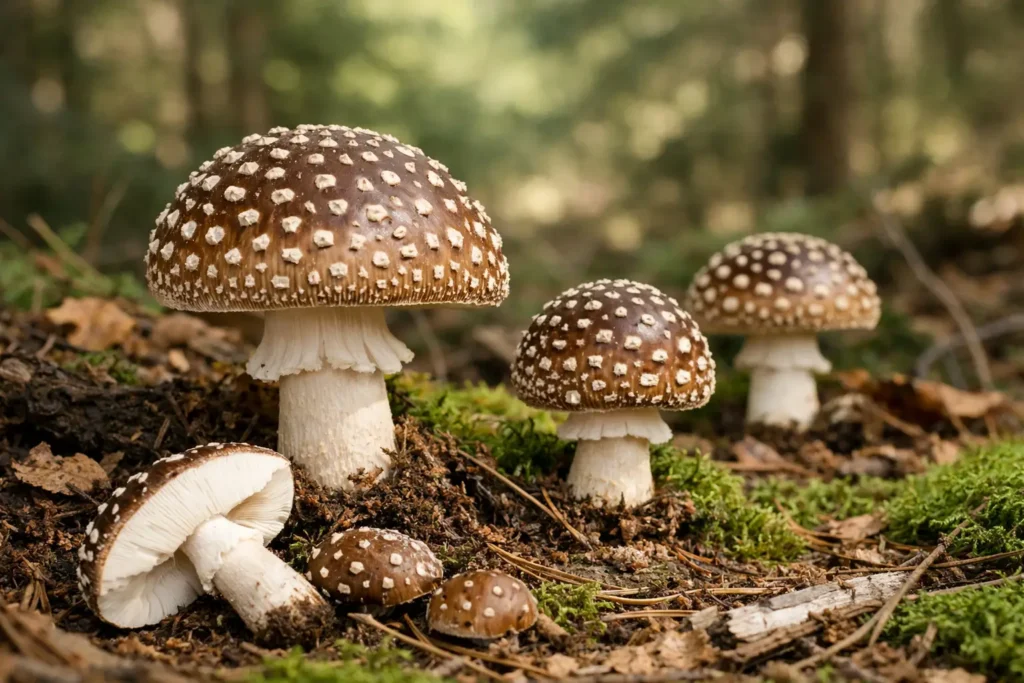
If you are shopping for grade A amanita pantherina, the label should signal more than a premium price. It should point to clear, visible quality markers: intact caps, strong visual identity, careful drying, and consistent handling from harvest through packing. In a category where raw wild mushroom material can vary sharply from batch to batch, that distinction matters.
What grade A amanita pantherina should mean
Amanita pantherina is not a standardized supplement ingredient. It is a wild mushroom product, and that changes how quality should be judged. When a retailer uses the term grade A, the most credible meaning is top-tier raw material within the natural limits of a wild-harvested product.
That means the mushrooms should be selected for appearance, structural integrity, and overall condition rather than treated as anonymous bulk matter. Caps should be recognizable as caps. Color should be reasonably strong for the species. Surface texture should be preserved well enough that the material still looks like carefully handled botanical stock, not crushed fragments swept into a bag.
This is also where buyers need some realism. Grade A does not mean every cap is identical. It does not mean lab-made uniformity, and it does not erase natural variation in size, shape, or surface pattern. With wild Amanita products, premium quality is about controlled selection and handling, not factory sameness.
How to evaluate grade A amanita pantherina visually
The first checkpoint is cap integrity. High-grade material usually contains whole or mostly whole caps with limited breakage. Some cracking can happen during drying and transport, especially with delicate material, but a premium batch should not look pulverized or excessively fragmented.
The second checkpoint is surface definition. Pantherina is valued in part because it has a distinctive visual profile. Buyers generally expect a brown to olive-brown cap with contrasting veil remnants or wart-like patches. Those details may not be perfect on every specimen, but grade A material should still present strong species-character appearance rather than faded, ambiguous pieces.
The third checkpoint is cleanliness. Wild mushrooms are never sterile-looking, and a small amount of natural forest debris is not unusual. Still, premium sorting should minimize excess dirt, needles, and damaged tissue. If the batch looks poorly cleaned or mixed with too much broken matter, the grade claim gets weaker fast.
The fourth checkpoint is color retention after drying. Good drying preserves a more recognizable cap appearance. Poorly handled product can look dull, overcooked, or unevenly discolored. Some variation is normal, but severe darkening or signs of moisture stress usually suggest weaker post-harvest control.
Size matters less than condition
Some buyers assume larger caps automatically mean better quality. That is not always true. A medium cap that is intact, clean, and properly dried is often better material than an oversized cap that is cracked, bruised, or poorly preserved. Size can affect presentation, but condition is the more reliable quality signal.
Why handling and drying define premium quality
With Amanita pantherina, the difference between average and premium often comes down to post-harvest discipline. Wild collection is only the first step. What happens next determines whether the mushroom arrives as a premium botanical product or as damaged raw material.
Careful drying protects appearance, reduces moisture-related degradation, and supports stable storage. If drying is rushed or inconsistent, caps can warp badly, darken unevenly, or become fragile to the point of collapse. If drying is too aggressive, visual quality can suffer even when the product is technically dry enough for sale.
Handling matters just as much. Repeated movement, compression, or loose bulk packing can turn attractive caps into broken fragments before they ever reach the customer. That is why premium sellers usually separate quality tiers and present their wild mushroom material in a more controlled way. Grade A should reflect that discipline.
Grade A vs lower-grade material
The easiest way to understand grade A amanita pantherina is to compare it with lower-grade stock. Lower grades often contain more broken caps, more small pieces, more visual inconsistency, and more evidence of rough handling. They may still be authentic Amanita pantherina, but they do not offer the same presentation or selection standard.
This distinction matters because not every buyer wants the same thing. Some customers care strongly about intact cap form and premium appearance. Others are more comfortable with less visually perfect material if the category is clear and the price reflects it. The key is transparent labeling.
A serious retailer should not blur the line between premium dried caps and lower-cost bulk material. These are different buying decisions. One is about curated raw mushroom quality. The other is about access to the same species in a less selective format.
What grade A does not guarantee
There is a common mistake in ethnobotanical shopping: assuming a grade label covers everything. It does not. Grade A describes quality positioning, but it does not replace product literacy.
It does not guarantee total visual uniformity. It does not mean every cap came from the same exact environment or season. It does not transform a wild mushroom into a standardized wellness product. And it does not remove the need for proper storage and careful review of the product format you are buying.
This is especially relevant in catalogs that carry both wild Amanita caps and functional mushroom powders or capsules. Those categories serve different expectations. Wild material is selected for authenticity and botanical character. Functional products are usually chosen for repeatability, convenience, and tighter processing control. Buyers who understand that split tend to make better decisions and have fewer mismatched expectations.
How premium sellers present amanita pantherina
A trustworthy listing for grade A amanita pantherina should be clear about format. Is it dried whole caps, cap pieces, or mixed material? Is the emphasis on visual quality, species identity, or batch selection? Premium positioning should be backed by specific product language, not vague hype.
Packaging and inventory control also tell you a lot. High-quality sellers tend to organize their catalog so that customers can tell the difference between raw wild mushrooms and processed mushroom products without guessing. That structure is a quality signal in itself. It shows the business understands category differences and is not trying to sell every mushroom product with the same pitch.
For a buyer, that level of control matters more than flashy claims. When a retailer keeps product types clearly separated, processes orders quickly, and presents quality tiers in a straightforward way, it usually reflects stronger operational standards behind the scenes.
Storage and freshness still affect quality after purchase
Even genuinely premium material can lose appeal if stored poorly. Dried Amanita caps should be kept in a cool, dry, dark environment with minimal exposure to humidity and unnecessary handling. Moisture is the main enemy. Once dried caps begin reabsorbing moisture from the air, texture and appearance can deteriorate.
Repeated opening of loosely sealed packaging can also increase breakage over time. If you care about keeping caps in top visual condition, storage is not a small detail. Premium raw material stays premium only if the chain of care continues after delivery.
When grade A amanita pantherina is worth paying for
Paying more for top-grade caps makes sense when visual quality, cap integrity, and careful selection are central to the purchase. If you want a cleaner, more premium raw mushroom presentation, a real grade distinction is worth it.
If your only concern is getting the species in any form, the value equation may look different. Lower-grade material can sometimes be a practical choice when the listing is honest about what you are getting. That is the trade-off: presentation and selection versus price efficiency.
For many experienced buyers, the best approach is simple. Judge the product by category first, then by grade. Make sure it is clearly identified as wild dried Amanita pantherina, then assess whether the premium tier is actually reflected in cap condition, appearance, and handling quality.
A strong grade A product should look like it was selected on purpose, packed with control, and sold by people who understand the difference between rare mushroom access and real product standards. That is the bar worth looking for, and it is what makes premium material feel premium the moment you open the package.