
Modern Interest in Amanita Mushroom Products
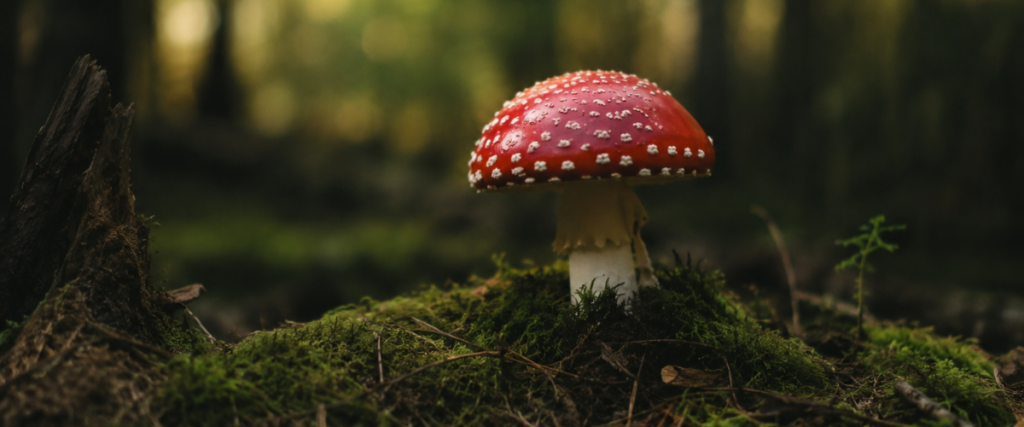
In recent years, interest in Amanita mushroom products has continued growing as more people explore wild mushroom categories, natural product formats, dried mushroom caps, mushroom powders, and modern mushroom collecting culture. This growing attention has also increased interest in how Amanita mushrooms are prepared, dried, stored, packaged, and presented across different product formats available today. Dried caps, powdered formats, extracts, and collectible mushroom products have become increasingly visible in online mushroom communities, educational discussions, specialty stores, and mushroom-related content platforms, where people continue learning about mushroom identification, forest species, historical references, and different product categories connected to wild mushrooms. Amanita mushrooms also continue attracting attention because of their highly recognizable visual structure, including bright caps, textured surfaces, and naturally varied appearance, which makes them stand out from more common mushroom species often seen in commercial food markets. As modern mushroom culture continues evolving, Amanita mushrooms remain one of the most talked-about and visually recognizable wild mushroom species connected to forest traditions, historical imagery, natural product communities, and modern mushroom discussions around the world.